
Beyond Keywords: How On-Site SEO Shapes Search Visibility
6/12/20262 min read
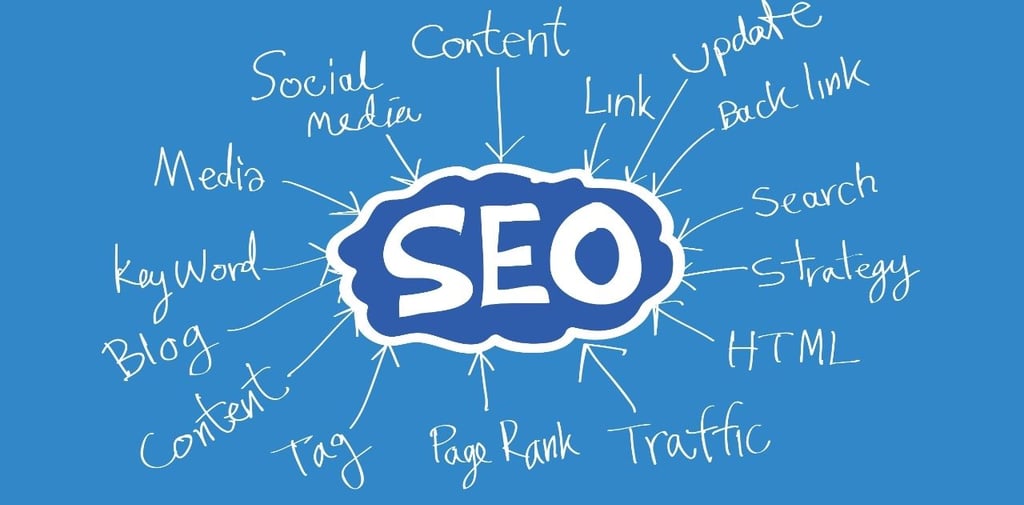
Truth behind SEO
Many users believe that keyword placement on a website is all that search engine optimization (SEO) includes. Modern on-site SEO is far more advanced; however, keywords are still a very crucial part of it. Websites must be organized so that search engines can comprehend their contents and their significance in order to deliver the appropriate and high-quality results to visitors. Understanding on-site SEO is becoming crucial for drawing in organic traffic and enhancing user experience as companies fight for recognition in more packed digital areas.
Relevance Starts with Understanding Search Intent
Relevance is considered one of the key ideas of on-site SEO. Search engines analyze relevance on a broader scale rather than just determining whether a page is relevant or not. A page is very likely to show at the top in search results if it closely fits the user's search intent. For this reason, choosing the appropriate target search terms is essential. Companies need to pinpoint precisely defined phrases that their target audience uses and produce content that speaks directly to their demands. HubSpot's content marketing strategy is an exceptional representation of this tactic. Instead of focusing on general terms like "marketing," HubSpot builds highly targeted sites around terms like "email marketing strategy" or "CRM software for small businesses." The business improves its chances of ranking for high-quality searches while providing material that people genuinely find helpful by matching content to precise search intent. This shows that knowing what visitors are looking for and producing content that meets those demands is the first step towards good SEO.
The Hidden Signals That Influence Rankings
While the content is crucial, search engines also use several technological signals to measure relevancy. Important hints regarding the content of a site may be found in elements like URLs, title tags, and page structure. Search engines can more rapidly determine a page's topic when target keywords are included in URLs and title tags. Additionally, information that is well-organized is easier for readers and search engines to read.
Additionally, when we look at real-life examples, an online retailer such as Amazon employs clearly defined, categorized layouts, optimized title tags, and descriptive URLs to assist search engines in correctly classifying millions of goods. In a similar vein, a URL like "mayigrowth.com/on-site-seo-strategies" would be more advantageous for a digital marketing website than a generic page address. Such little changes may have a big influence on search visibility because they improve the relationship between a page's content and a user experience.
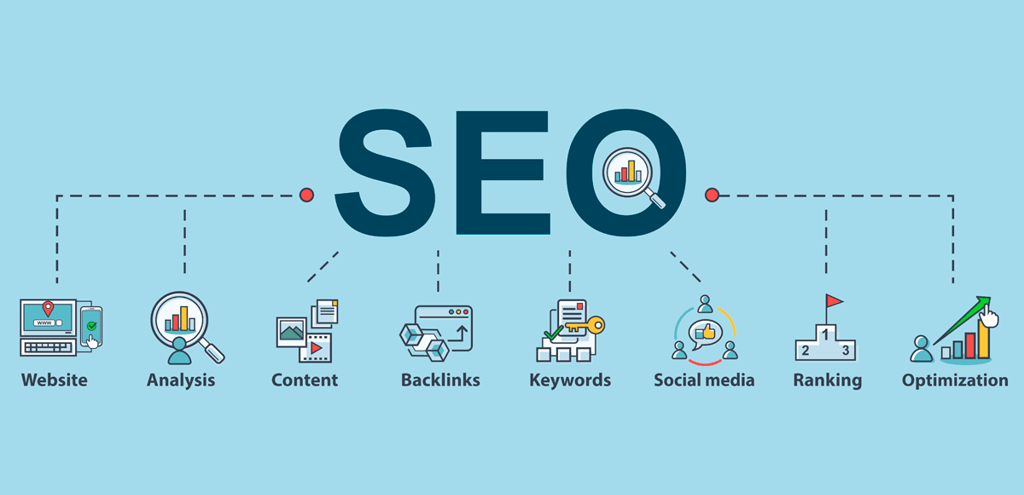
Great SEO Is Really About Great User Experience
SEO is more than just keywords and rankings. Websites that offer useful material, easy navigation, and a satisfying user experience are given more weight by search engines. In addition, user happiness and visibility on searches increase when users can locate information and interact with content with ease. Instead of only focusing on standardized algorithms, organizations need to concentrate on producing reliable and valuable content as AI-powered search continues to develop. Successful SEO for a website like MayIGrowth includes providing insightful information that addresses user inquiries and fosters long-term organic development and reputation.
Founder & CEO, MayI Growth - Kanan Aliyev
Contact
Reach out for growth advice anytime.
© 2025. All rights reserved.